Before the Brigade Invoice: Reading Fire Panel Data for False Alarm Control
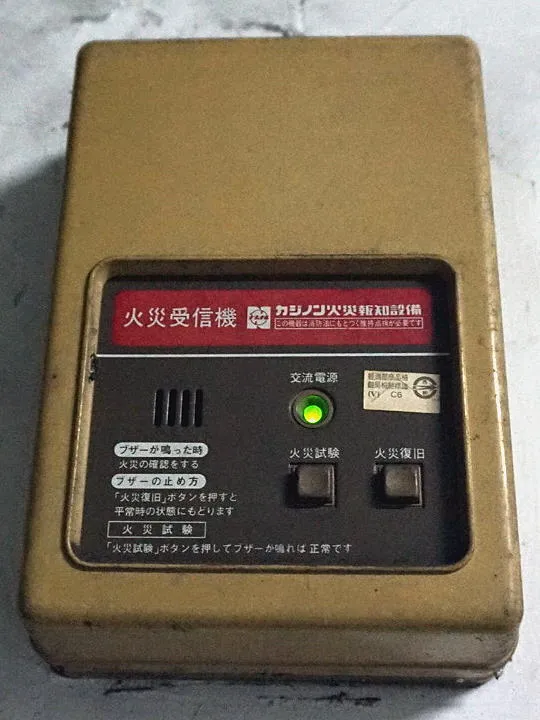
Photo: Dquai, CC BY-SA 4.0, via Wikimedia Commons
False alarm charges are unpopular, but they are not mysterious. By the time a fire and rescue service invoice reaches the finance office, the fire alarm panel has usually been recording the same problem for months. The invoice is a lagging indicator. The panel log is the early warning system. Sites that wait for the bill are managing by exception; sites that interrogate event data are managing risk and cost.
This briefing takes a deliberately practical view. Fire panel data is not only an engineering artefact. It is a governance record that can show whether maintenance, contractor activity and occupant behaviour are under control. In 2026, with fire and rescue services increasingly recovering costs for repeated false alarms, routine interrogation belongs in the compliance file.
The Invoice Is the Wrong Starting Point
A charge of £500 may be the visible cost of a false alarm, but it is rarely the whole cost. There is the disruption to the site, the staff time spent investigating, the risk of complacency among occupants and the possibility that a real alarm is treated as another nuisance. The invoice simply makes one part of the problem visible.
The panel log makes the pattern visible earlier. Modern fire alarm systems record event type, device address, loop, zone, time and date. Some record whether the signal was acknowledged, silenced or reset, and whether the cause was investigated. That data is not perfect, but it is usually sufficient to distinguish a random event from a recurring fault.
What to Extract From the Panel
A useful review starts with the event history for the last three to six months. The aim is not to produce a technical report for its own sake, but to answer a small number of management questions. Which devices generate the most alarm events? Are events concentrated at particular times of day? Do they follow maintenance visits, cleaning, cooking, steam, dust or building works? Are there repeat events in the same zone that have been reset without a recorded cause?
The review should capture the device identifier, the event type, the time and date, the trigger if known, the action taken and the person or contractor who attended. Where the cause is unknown, that should be recorded as unknown rather than guessed. An honest gap is more useful than a false explanation, because it shows where investigation is still needed.
Patterns Worth Investigating
Device-level patterns are often the most revealing. A single detector that repeatedly activates may be affected by dust, steam, insect ingress, poor siting or a failing component. A group of devices on the same loop may point to a panel or wiring issue. Events that cluster after cleaning or maintenance may suggest that contractor activity is disturbing detectors or that work permits are not controlling dust and fumes.
Time patterns also matter. Events that occur during cooking periods may point to a detection issue in a kitchen area. Events that occur overnight may suggest a fault rather than occupant behaviour. Events that occur at the same time as planned maintenance should be cross-checked against contractor sign-in records and permits to work. This is where false alarm analysis becomes a contractor-governance exercise: the panel data and the contractor record should tell the same story.
Turning Analysis Into a Reduction Plan
Analysis without action is another form of filing. A false alarm reduction plan should set out the main causes identified, the actions required, the owner of each action and the date by which it will be completed. Actions may include cleaning or replacing detectors, adjusting detection in problem areas, improving signage, revising permit controls, briefing occupants or changing maintenance routines.
The plan should also set a monitoring threshold. For example, the site may review panel data monthly and escalate any device with more than a set number of events in a rolling period. Thresholds should be realistic and agreed with the alarm maintenance provider. The aim is not to suppress alarms, but to distinguish unwanted fire signals from genuine events and to reduce the former without weakening detection.
Contractor Governance and the Compliance File
False alarm management is often treated as the alarm contractor's responsibility. That is too narrow. The responsible person and the site management team own the outcome. The alarm contractor owns the technical maintenance. Cleaning, catering, construction and maintenance contractors can all influence alarm events through their activities. The governance question is whether those influences are controlled and whether the evidence is joined up.
A compliance file should therefore contain more than the latest service certificate. It should contain the panel event review, the false alarm reduction plan, records of actions taken and evidence that the plan is being monitored. Where an alarm service provider is appointed, the contract should require event-log reporting, cause analysis and recommendations, not just attendance and reset. That is a reasonable due-diligence expectation in 2026, and it gives the site something useful to discuss at contract review.
A Routine, Not a Reaction
The most effective false alarm control is unglamorous. It is a monthly review of panel data, a short list of repeat devices, a check against contractor activity and a plan that is actually progressed. Sites that do this are not immune from false alarms, but they are better placed to explain them, reduce them and demonstrate that they are managing the risk.
The brigade invoice should be the last document in the file, not the first prompt for action. The panel already knows what is happening. The governance task is to read it.