Beyond the Tick Box: Making Fire Door Inspections Survive an Audit
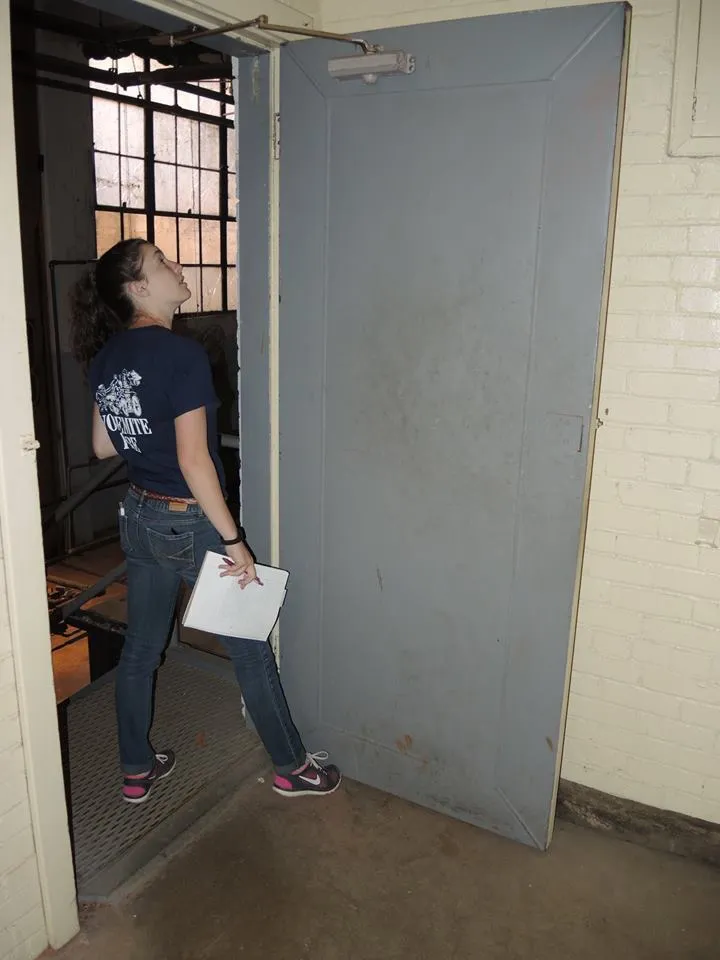
Photo: NPS, Public domain, via Wikimedia Commons
Fire door registers are often treated as a filing cabinet: a place to store inspection dates and a signature. That may satisfy a routine audit, but it rarely answers the questions asked after an incident, an enforcement visit or an insurer's review. The useful questions are more searching. Which door failed? What exactly was wrong? When was it made safe? Who owned the repair? What proof exists that the work was done? A register that cannot answer those questions is a list of activity, not a record of control.
In 2026, facilities teams are under pressure to demonstrate that fire safety is managed, not merely inspected. The Fire Safety (England) Regulations 2022 and the Regulatory Reform (Fire Safety) Order 2005 set the legal backdrop, but the practical test is simpler: can you show a defensible trail from defect to close-out? The following five data points turn a fire door register into evidence.
1. A Door Identifier That Survives Change
A register that refers to the door outside the server room or the door at the end of corridor B is fragile. Corridors are refurbished, rooms are renumbered and server rooms move. The identifier must be unique to the door assembly and stable enough to survive a change of use or a fit-out. Asset tags, door schedules and floor plans can all work, provided the same reference appears on the inspection record, the repair job and the photographic evidence.
The test is simple: hand the register to a contractor who has never worked on the site. Can they locate the door without a guide? If not, the identifier is not doing its job. A useful register also records the door's location, fire compartment and door type. That context matters when a defect is found, because it shows the assessor understood what the door was protecting, not just what it looked like.
2. A Defect Category That Describes Risk
Inspections often record a defect as a note: gaps, closer damaged, signage missing. That is a start, but it is not a management category. A fire door defect should be classified in a way that supports prioritisation and reporting. Common categories include excessive gaps, damaged intumescent seals, faulty closers, missing or incorrect signage, damaged glazing, defective hinges, hold-open devices and frame or leaf damage.
The category should be paired with a severity rating. A missing sign is not the same risk as a door that will not latch. A register that treats all defects as equal creates two problems: minor issues crowd out serious ones, and the organisation cannot show that it applied proportionate judgement. The category and severity should be agreed before inspections start, so that different assessors record the same defect in the same way.
3. A Repair Close-Out Date, Not Just a Raise Date
Most registers record when a defect was raised. Far fewer record when it was closed. That gap is where audit trails usually fail. A defect that remains open for months is not necessarily a failure, but it must be visible. The register should show the date the defect was identified, the target date for repair, the actual close-out date and any interim control applied in the meantime.
Interim controls matter. If a door cannot be repaired immediately, the organisation may need to restrict access, increase monitoring, install a temporary measure or adjust the building's fire strategy. Recording that decision is part of demonstrating control. It also prevents a common audit finding: a defect that was known but not managed while the repair was awaited.
4. A Named Responsible Person and Evidence of Competence
A register without an owner is a list without accountability. Every defect should have a named person responsible for progressing the repair, not just a department or a generic email address. That person may be a facilities manager, a building manager or a contractor supervisor, but the responsibility should be explicit and accepted.
The register should also record who carried out the inspection and what competence they held. Fire door inspection is not a generic maintenance task. The assessor needs to understand door assemblies, gaps, seals, closers and the relevant standards and manufacturer instructions. Recording competence does not guarantee quality, but it shows that the organisation considered it. Where external contractors are used, the register should link to their appointment, induction and reporting requirements under the site's contractor governance arrangements.
5. Photo Evidence Tied to the Door and the Defect
Photographs are persuasive, but only if they are usable. A photograph of a gap with no door reference, date or defect code is of limited value. Photo evidence should be named and stored so that it can be retrieved by door identifier and inspection date. Before-and-after images are particularly useful for showing that a repair was completed and that the door was left in a compliant condition.
There is a practical discipline here. Images should be taken consistently, from an angle that shows the defect clearly, with a scale or reference point where appropriate. They should be stored in a controlled location, not on an inspector's phone. Retention should follow the organisation's records policy and any contractual or legal requirements.
From Register to Evidence File
These five data points are not an administrative burden. They are the minimum content of a register that can survive scrutiny. The next step is to use them. A monthly review should look at open defects, overdue repairs, repeat defects at the same door and any door that has failed more than once. That review should be minuted and linked to the fire safety management system.
A register built this way does more than satisfy an auditor. It gives the responsible person a working picture of fire door health across the estate. It shows contractors what standard is expected. It turns inspections into evidence. The filing cabinet can stay, but the register should be managed as a live control, not archived as a tick-box exercise.